
Playrooms Difficulty (2026): Fear Settings Explained
How difficulty works in Playrooms (2026): the fear settings, what changes, which rooms get harder and the best setting for a first or 100% run.
Quick answer: Playrooms does not have combat difficulty. Its difficulty setting controls fear: how often the game scares you, how dark the blackouts get and how forgiving the scary sections are. Achievements are unaffected, so pick the setting that matches the experience you want.
You can change the fear setting mid-run without losing progress, but decide before a no-replacement attempt so you are not tempted to lower it after a mistake.
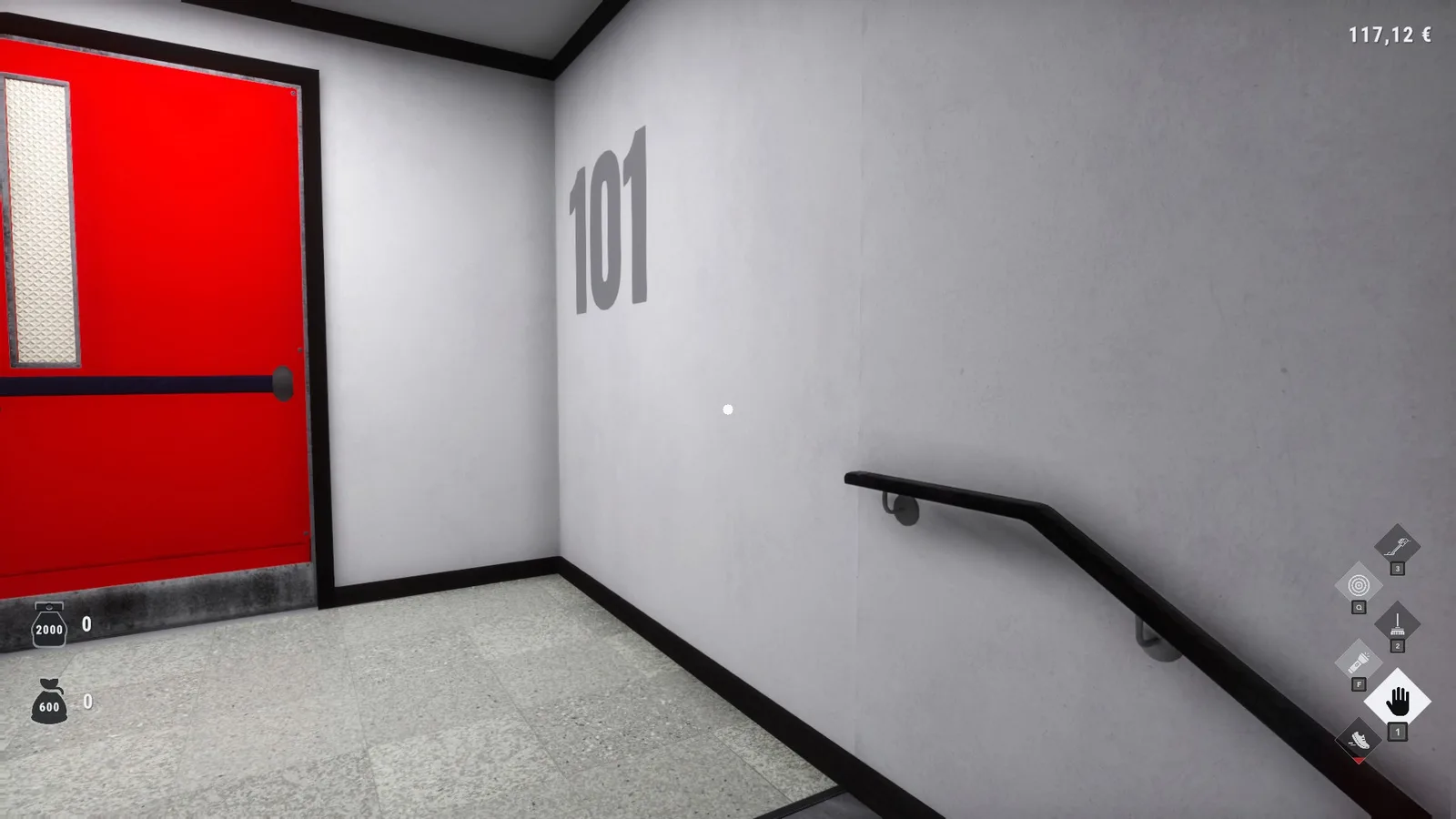
The three experiences
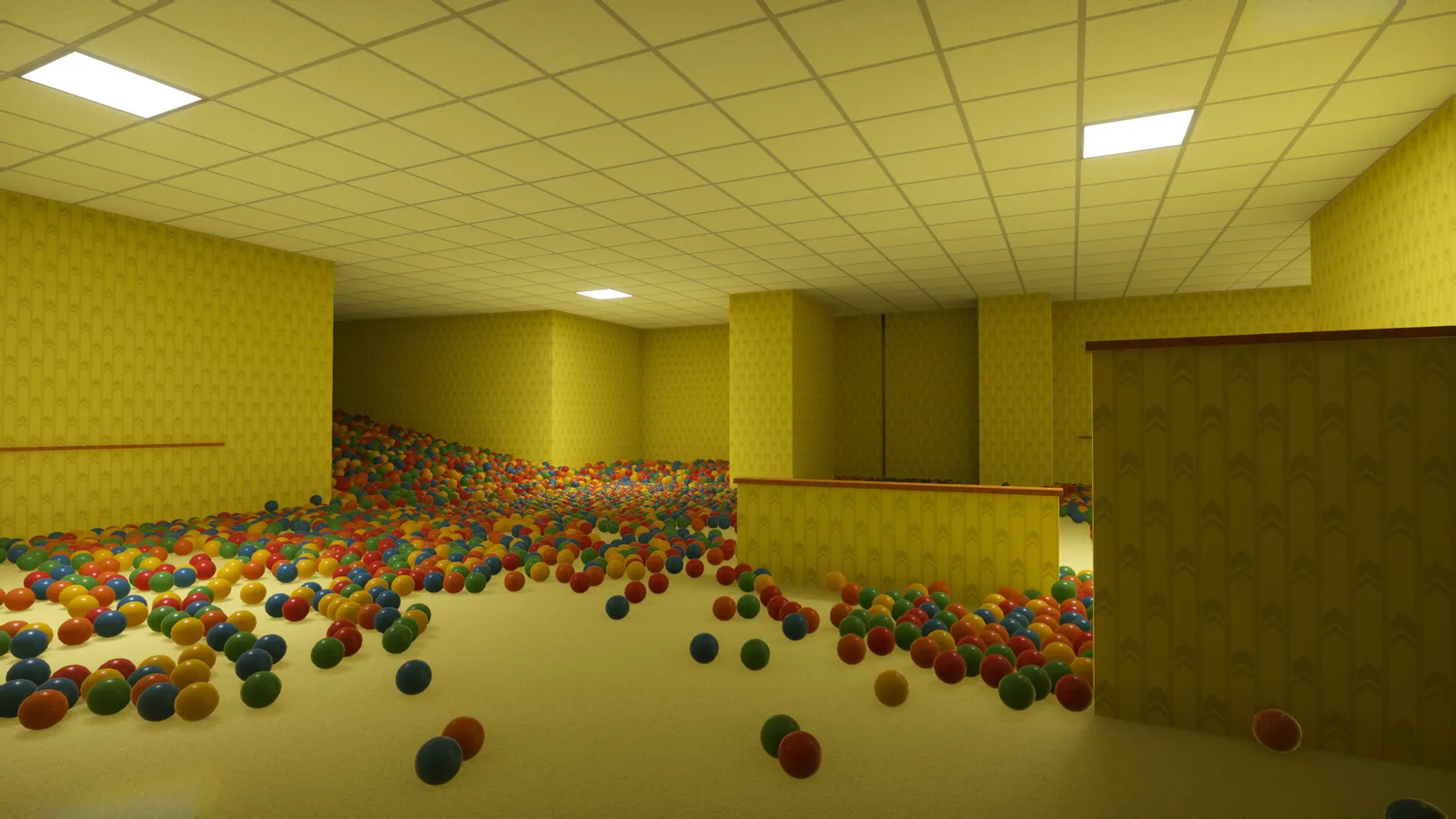
The store describes the choice as "No fear at all, the way it's meant to be, or no second chances?" That maps to three broad experiences:
| Setting | What it feels like | Best for |
|---|---|---|
| No fear | A cleaning game with an eerie office story | First run, completion, cozy play |
| Standard | The intended mix of cleaning and tension | Most players |
| Maximum | A horror game that happens to have balls | Horror fans, second runs |
The exact labels in the menu may differ from the store copy. Look for the fear, danger or safety option, not a literal difficulty slider.
What actually changes
The setting changes the horror layer, not the cleaning layer:
- Scare frequency. Jumpscares and figures appear more often at higher settings.
- Darkness. Blackouts are longer and deeper at higher settings.
- Audio. The stings are louder and more frequent.
- Forgiveness. The game gives you more warning before a scare at lower settings.
It does not change:
- The pit capacity or the number of balls.
- The room layouts, including the shifting Hotel.
- The upgrade prices.
- The achievement requirements.
That is why the setting is a preference rather than a difficulty gate. A player on "No fear" and a player on "Maximum" are playing the same levels.
Which setting should you pick?
First run: Standard. It is the experience the developers built, and the scares land better when you are not expecting them. If you hate jumpscares, start on No fear and raise it later; you cannot unsee a scare, but you can always add one.
Completion run: No fear. The collectible hunt requires slow, careful exploration, and a scare that makes you rush is a real cost. The 100% checklist→ assumes you are optimizing for thoroughness, not tension.
No-replacement run: No fear. "No re-hires needed" is the only achievement that can fail, and the fear setting is the cheapest risk reduction available. See the no-rehires guide→.
Second run: Maximum. You know the rooms, so the scares are the only new content. This is also the best way to see the content the lower settings soften.
Is Playrooms hard?
Mechanically, no. There is no combat, no health bar and no fail state from the rooms themselves. The challenges are:
- Navigation. The Backrooms and the Hotel can waste your time.
- Thoroughness. The last balls hide in furniture and ceiling ledges.
- Route discipline. The Hotel punishes long loops.
- The locker bug. A preventable capacity issue in the School.
The hardest room is the Hotel, because the layout shifts and the corridors narrow. The longest is the School. The most annoying is the Office if you answer the phone. None of them are difficult in the execution sense.
Difficulty and the fear setting
The fear setting is the only difficulty knob, and it is asymmetric: it changes how the game feels much more than how it plays. A player who is scared will make more mistakes, so the higher settings are indirectly harder, but the game does not add enemies or reduce your capacity.
If you want a self-imposed challenge, the achievements provide two: the no-replacement run and the 100,000-ball grind. Neither requires the maximum fear setting.
Performance and difficulty
The game's performance is separate from its difficulty. If the blackout sections stutter, lower the Lightmap Resolution setting to Quarter. That setting was added in the October 15 patch specifically for the lights-out frame drops.
On Steam Deck, use the "Gamepad with Camera Controls" profile and expect lower settings in the larger rooms.
Common difficulty questions
Can you change difficulty mid-run? Yes, in the options menu. It does not reset progress.
Is there an achievement for the hardest setting? No. The 30 achievements do not reference the fear setting.
Does the highest setting add rooms? No. It changes the horror presentation, not the content.
Is the game scary on the lowest setting? The atmosphere remains, but the scares are heavily reduced. The Backrooms and the Hotel are still dim.
About Playrooms (2026)
Playrooms is a single-player casual simulation game with horror elements from Two Pixels UG. It released on November 4, 2026 for Windows PC via Steam at $6.99, and it includes 30 achievements across eight ball-pit areas.
You can check the Steam store page ↗, the official news feed ↗ and the community discussions ↗ for the current build.
Official source: Playrooms on Steam ↗
FAQ
Does Playrooms have difficulty settings? Yes, framed as a fear or danger setting rather than a combat difficulty.
Do achievements depend on difficulty? No. All 30 unlock on any fear setting.
What is the hardest room? The Hotel, because of the shifting layout and narrowing corridors.
Should I play on the lowest setting first? If you dislike horror, yes. Otherwise, standard is the intended first experience.
Does difficulty change the ending? No. The final pit and the exit are the same.